
INTRODUCTION
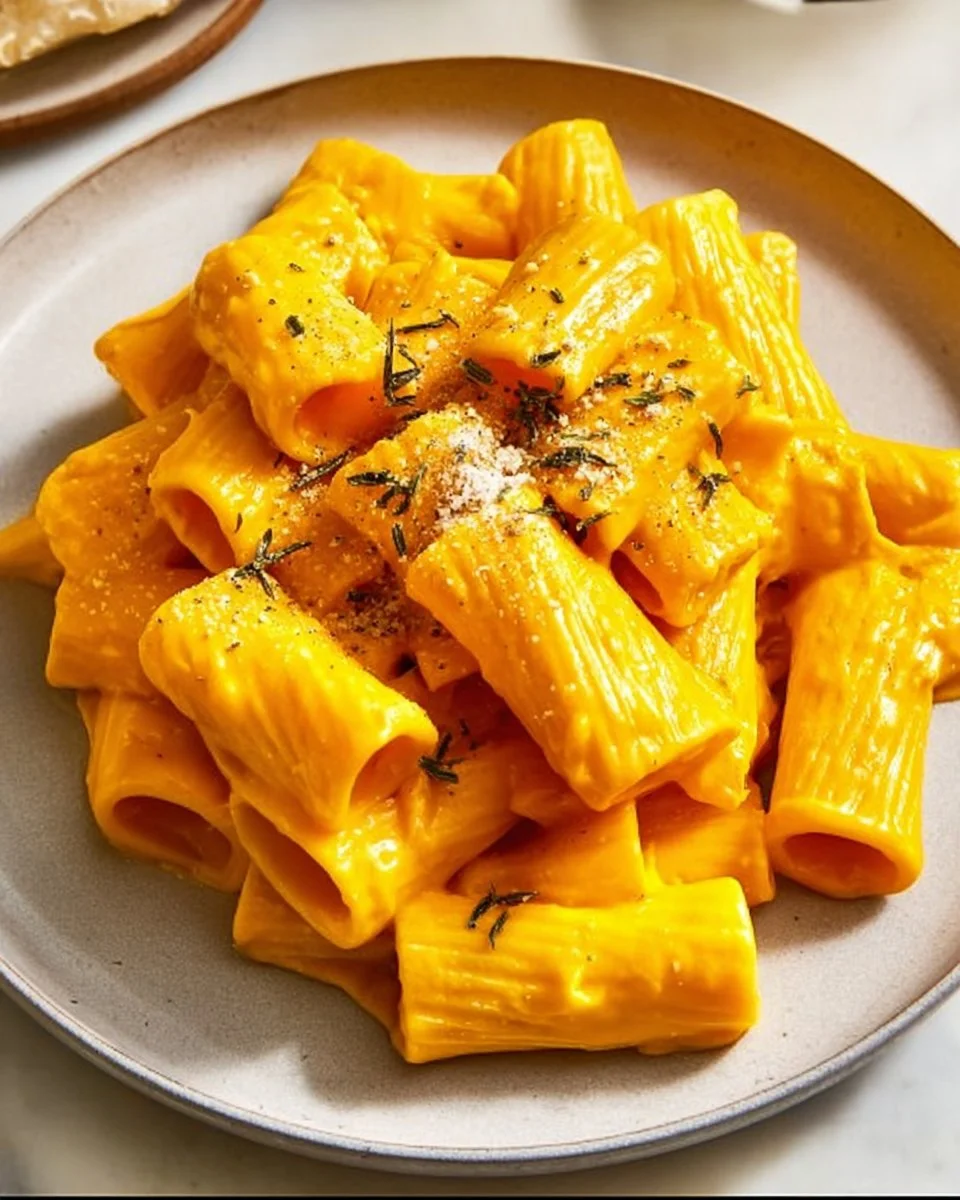
Vegan Butternut Squash Pasta is warm food that feels like a hug. It uses mashed squash and simple spices to make a creamy sauce. The dish is easy to make. It tastes rich and mild. This pasta works for weeknights and for guests. You can make it fast with a few items you may already have.
This article will show you why you will love this recipe. It will list the tools and ingredients you need. It will give a clear step-by-step guide. It will also show how to serve, store, and vary the dish. You will find tips for making it ahead and answers to common questions.
WHY YOU WILL LOVE THIS RECIPE
You will love this recipe because it is simple. The sauce uses frozen butternut squash and a few seasonings. That makes it quick and cheap. The dish is vegan, but it feels creamy and full. The taste is mild and slightly sweet. It pairs well with many kinds of pasta.
This recipe is also flexible. You can use any pasta you like. You can add spice or herbs if you want. The sauce keeps well in the fridge and freezer. You can make a big batch and save time later.
The ingredients are gentle on the stomach. Many people can eat this. It is a good choice for a meat-free meal that still feels filling. The dish is also bright in color. It looks good on the plate. Kids and adults often enjoy it.
HOW TO MAKE Vegan Butternut Squash Pasta
This section walks through the whole process. Read it first so you know the steps. The method is easy. It moves from cooking pasta to making the sauce and then joining them.
Start by boiling the pasta. While the pasta cooks, steam the squash until soft. Then blend the squash with nutritional yeast and smoked paprika. Season with salt and pepper. Heat the sauce in a pan so it stays warm. Toss the pasta with the sauce. Add a little olive oil if you like. Serve while hot.
Keep the sauce thin enough to coat the pasta. If the sauce is thick, add a splash of pasta water. The starch in that water helps the sauce stick to the noodles.
EQUIPMENT NEEDED
- Large pot for boiling pasta
- Colander to drain pasta
- Medium saucepan for steaming squash
- Blender or food processor to puree the squash
- Skillet for combining pasta and sauce
- Wooden spoon or tongs for tossing
- Measuring spoons and cup
These tools are common. If you do not have a blender, you can mash the squash with a fork or potato masher. The texture will be less smooth but still tasty.
Ingredients You’ll Need :
- 2 cups frozen butternut squash
- 2 tablespoons nutritional yeast
- 1 teaspoon smoked paprika
- Salt and pepper to taste
- Pasta of your choice
- Olive oil (optional)
STEP-BY-STEP INSTRUCTIONS :
- Cook the pasta according to package instructions.
- In a saucepan, combine frozen butternut squash with a little water and steam until tender.
- Drain excess water and blend squash with nutritional yeast, smoked paprika, salt, and pepper until smooth.
- In a skillet, heat the sauce over low heat.
- Add the cooked pasta to the skillet, tossing to coat with the sauce.
- Drizzle with olive oil if desired.
- Serve warm and enjoy!

HOW TO SERVE Vegan Butternut Squash Pasta
Serve the pasta hot. Use a large shallow bowl or a plate with a rim. Toss the pasta well so each strand gets sauce. If you want a bright note, add a few leaves of fresh sage or basil on top. A small drizzle of extra virgin olive oil adds shine and a mild flavor.
You can add a sprinkle of extra nutritional yeast on top for a "cheesy" taste. Cracked black pepper looks nice and adds bite. For a crunch, serve with toasted nuts like walnuts or pine nuts.
If you want more texture, toss in some sautéed mushrooms, wilted spinach, or roasted cherry tomatoes before serving. These additions add color and more flavor without much extra work.
STORAGE & FREEZING : Vegan Butternut Squash Pasta
Store leftover sauce or pasta in an airtight container. Keep in the fridge for up to 4 days. To reheat, warm the sauce gently in a skillet. Add a splash of water or plant milk to loosen it. Toss the pasta with the warm sauce until heated through.
To freeze the sauce, put it in a freezer-safe container. Leave a little space at the top for expansion. The sauce will keep for up to 3 months. Thaw in the fridge overnight. Reheat on the stove and stir well. If the sauce separates a bit, a quick blend or whisk will bring it back together.
If you freeze the whole dish with pasta, note that the pasta may become softer after thawing. To keep texture, freeze the sauce separately and cook fresh pasta when you plan to eat.
SERVING SUGGESTIONS
- Add steamed greens like kale, chard, or spinach to the pasta for color and nutrients.
- Top with toasted nuts or seeds for crunch.
- Serve with a simple salad of mixed greens, lemon, and olive oil.
- Pair with crusty bread to soak up any leftover sauce.
- Offer lemon wedges on the side for a bright finish.
These serving ideas are quick and simple. They add balance and interest to the meal.
VARIATIONS
- Spicy: Add red pepper flakes or a dash of cayenne for heat.
- Herby: Stir in fresh chopped sage, thyme, or parsley at the end.
- Creamier: Add a splash of plant milk or a tablespoon of vegan butter to the sauce.
- Nutty: Blend in a few soaked cashews with the squash for a rich, creamy texture.
- Roasted squash: Use roasted fresh butternut squash instead of frozen for a deeper flavor.
- Veg boost: Mix in roasted vegetables like carrots, Brussels sprouts, or bell peppers.
Keep the changes small so the main flavor of the butternut squash stays clear.
FAQS
Q: Can I use fresh butternut squash instead of frozen?
A: Yes. Roast or steam cubed fresh squash until soft. Then blend as directed. Roasting gives a sweeter, deeper taste.
Q: Is nutritional yeast necessary?
A: Nutritional yeast gives a savory, "cheesy" note. You can skip it, but the sauce will be milder. Some people use a small amount of miso paste as a substitute for depth.
Q: What type of pasta works best?
A: Any pasta works. Long pasta like spaghetti or linguine holds the sauce well. Short pasta like penne or shells also works and collects the sauce in the shapes.
Q: How do I make the sauce thinner or thicker?
A: To thin, add a little reserved pasta water or plant milk. To thicken, cook the sauce a little longer or add more blended squash.
Q: Can I add protein to this dish?
A: Yes. Add white beans, chickpeas, or cooked lentils to boost protein. Tofu cubes or tempeh also pair well.
Q: Is smoked paprika required?
A: Smoked paprika adds a warm, smoky note. You can use regular paprika if you do not have smoked. Start with less and add to taste.
MAKE-AHEAD TIPS FOR Vegan Butternut Squash Pasta
- Make the sauce up to 3 days in advance and keep it in the fridge. Reheat and toss with freshly cooked pasta.
- Freeze the sauce in single-serve containers for quick lunches. Thaw overnight and reheat.
- Keep the dry pasta in the pantry and cook it fresh. Freshly cooked pasta has the best texture when you warm it with the sauce.
- If you plan to add fresh herbs or greens, add them just before serving to keep color and texture.
- Measure spices and nutritional yeast ahead of time into a small bowl. This saves time when you cook.
These tips help you save time and make the meal stress-free.
Conclusion
If you want a simple, warm, and vegan pasta that feels rich and homey, this dish is a good pick. It uses few ingredients and little time. For another take on creamy vegan butternut squash pasta with a bright sage touch, try this recipe: Creamy (vegan!) Butternut Squash Linguine with Fried Sage. This link shows another way to enjoy squash with herbs and crisp sage. It can give you fresh ideas to try with your own pasta.

Vegan Butternut Squash Pasta
Ingredients
Method
- Cook the pasta according to package instructions.
- In a saucepan, combine frozen butternut squash with a little water and steam until tender.
- Drain excess water and blend squash with nutritional yeast, smoked paprika, salt, and pepper until smooth.
- In a skillet, heat the sauce over low heat.
- Add the cooked pasta to the skillet, tossing to coat with the sauce.
- Drizzle with olive oil if desired.
- Serve warm and enjoy!