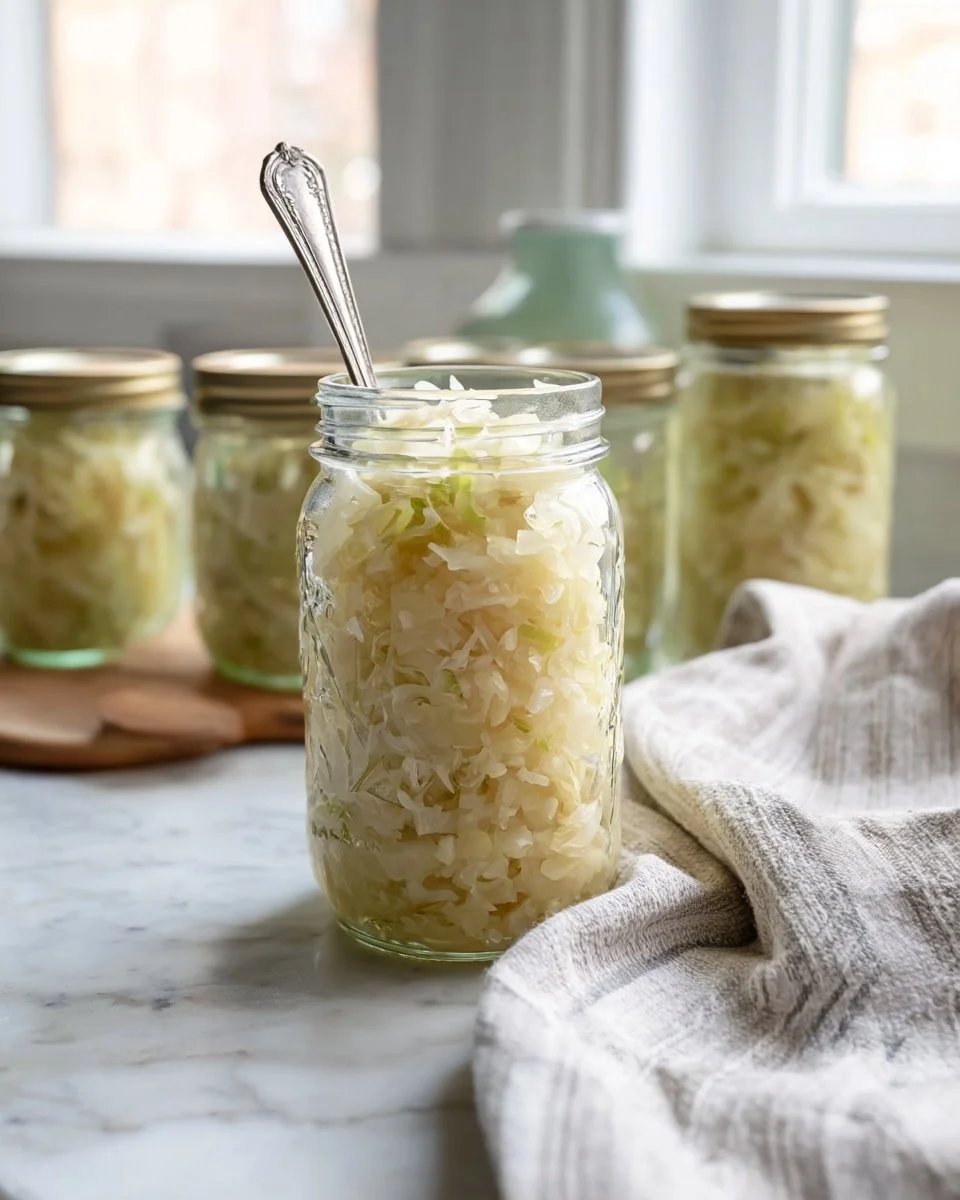
How To Make Sauerkraut
Sauerkraut is a delicious and tangy fermented dish made primarily from fresh cabbage and salt. It has been enjoyed for centuries due to its unique flavor and numerous health benefits. Not only is it a fantastic addition to a variety of dishes, but it also offers plenty of nutritional advantages. With the growing interest in healthy eating, making your own sauerkraut at home can be a fulfilling and empowering experience.
WHY YOU WILL LOVE THIS RECIPE
Making sauerkraut at home is a great way to embrace a more nutritious lifestyle. It is a simple and cost-effective method to incorporate more healthy, fermented foods into your diet. This recipe is perfect for meal prep as you can make a large batch in advance, and it keeps well in the refrigerator for weeks. Additionally, sauerkraut is low calorie and packed with fiber, which is helpful for weight loss. Plus, it’s an excellent source of probiotics, which can contribute to better digestion and gut health.
HOW TO MAKE Sauerkraut
EQUIPMENT NEEDED
- A large mixing bowl
- A clean glass jar (wide-mouth works best)
- A weight (such as a smaller jar or a clean rock)
- A clean cloth or cheesecloth
- A rubber band or kitchen string
Ingredients You’ll Need:
- 1 Tbsp salt for every 800 grams of cabbage (about 2 Tbsp salt for every head of cabbage)
- Fresh green cabbage
STEP-BY-STEP INSTRUCTIONS :
-
Prepare the Cabbage: Start by removing any outer leaves from the cabbage. Slice the cabbage into quarters, removing the core, and then thinly shred it. A sharp knife or mandoline works best for this task.
-
Mix with Salt: Transfer the shredded cabbage into a large mixing bowl. Sprinkle the salt over the cabbage. Massage the salt into the cabbage for about 5-10 minutes. You want to release the cabbage’s juices; they help in the fermentation process. If you’d like, you can add seasonings or spices at this point, such as caraway seeds for flavor.
-
Pack the Jar: Once the cabbage has become slightly limp and has released some moisture, it’s time to pack it into a glass jar. Using your fist or a tamper, pack the cabbage tightly into the jar. Leave about an inch of space at the top.
-
Submerge the Cabbage: As you pack the cabbage, make sure it’s submerged under its own juices. If you don’t have enough liquid, you can make a brine with water and a bit of salt. Pour just enough brine to cover the cabbage.
-
Weight It Down: Place a clean weight on top of the cabbage to keep it submerged. This can be a smaller jar filled with water or a clean rock.
-
Cover and Ferment: Cover the jar with a clean cloth or cheesecloth, securing it with a rubber band. This allows gases to escape while keeping dust and insects out. Leave the jar at room temperature, away from direct sunlight, for about 1-2 weeks. Check it every few days to ensure the cabbage remains submerged and taste it to decide when it’s ready.
-
Store Your Sauerkraut: Once it’s fermented to your liking, seal the jar with a lid and transfer it to the refrigerator. It can last for several months if stored correctly.

HOW TO SERVE Sauerkraut
Sauerkraut can be enjoyed in various ways. Use it as a tangy topping for sandwiches, salads, or tacos for added flavor and crunch. For portion control, aim for a serving size of about 1/4 cup, which can enhance many dishes without adding too many calories.
STORAGE & FREEZING: Sauerkraut
Store your homemade sauerkraut in the refrigerator in an airtight container. It can last for several months, but be sure to check for any changes in smell or texture. If you decide to freeze sauerkraut, place it in a freezer-safe container. It is best to consume it within six months for optimal flavor and texture, although it can last longer.
SERVING SUGGESTIONS
Pair sauerkraut with lean proteins, like grilled chicken or fish, to make a well-rounded meal. It also complements vegetable dishes or can be served as a refreshing side to any meal. For a balanced dish, consider serving it alongside roasted vegetables or quinoa for an extra fiber boost.
VARIATIONS
- Healthier Version: Add shredded carrots or beets to increase the nutritional profile and add a splash of color to your sauerkraut.
- High-Protein or Low-Carb Version: Serve your sauerkraut over a bed of mixed greens with grilled chicken or tofu for a high-protein, low-carb meal.
- Air Fryer or Oven-Baked Version: For a crispy twist, consider making sauerkraut fritters. Mix sauerkraut with eggs and a bit of gluten-free flour, shape into patties, and air fry or bake until golden and crispy.
FAQs
1. How nutritious is sauerkraut?
Sauerkraut is low in calories and high in fiber. It is also a fantastic source of probiotics, which promote gut health.
2. Can I store sauerkraut at room temperature?
Yes, but only while it is fermenting. Once fermented, sauerkraut should be kept in the refrigerator for storage.
3. Is sauerkraut good for weight loss?
Yes, sauerkraut is low in calories and high in fiber, making it a good option for weight loss.
4. Does sauerkraut have any sugar?
Sauerkraut is naturally low in sugar, making it a great option for those watching their sugar intake or managing diabetes.
MAKE-AHEAD TIPS FOR Sauerkraut
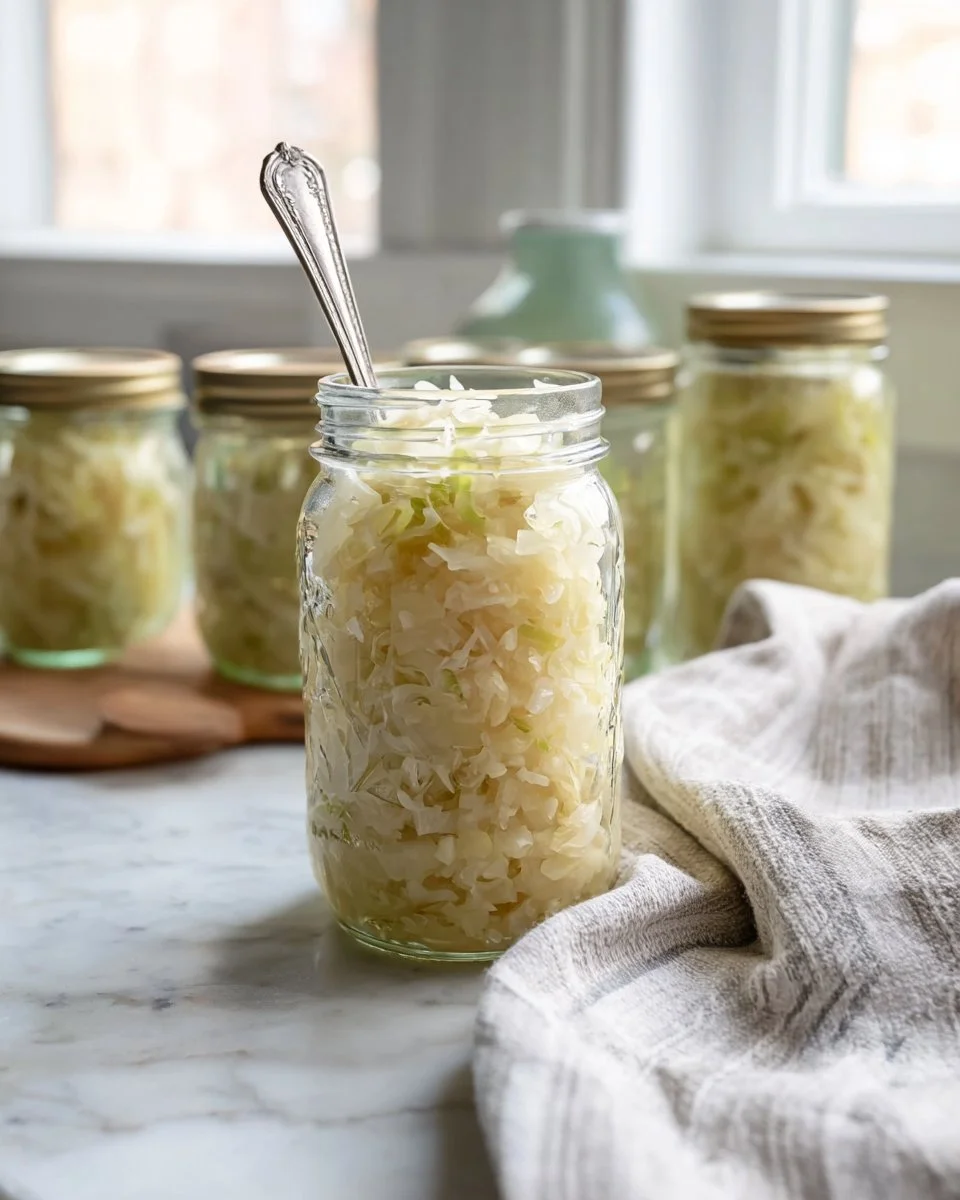
Sauerkraut is perfect for meal prep! Since it lasts a long time in the refrigerator, you can make a large batch and use it throughout the week. Consider preparing it on a Sunday to enjoy with meals for the upcoming week. By making sauerkraut ahead of time, you can save time and ensure you always have a healthy side option ready to go.
Incorporating sauerkraut into your diet is not only simple but can significantly enhance your meal variety while also providing you with many health benefits. Try making this healthy, gut-friendly dish today and enjoy the delicious flavors and nutrition it has to offer!
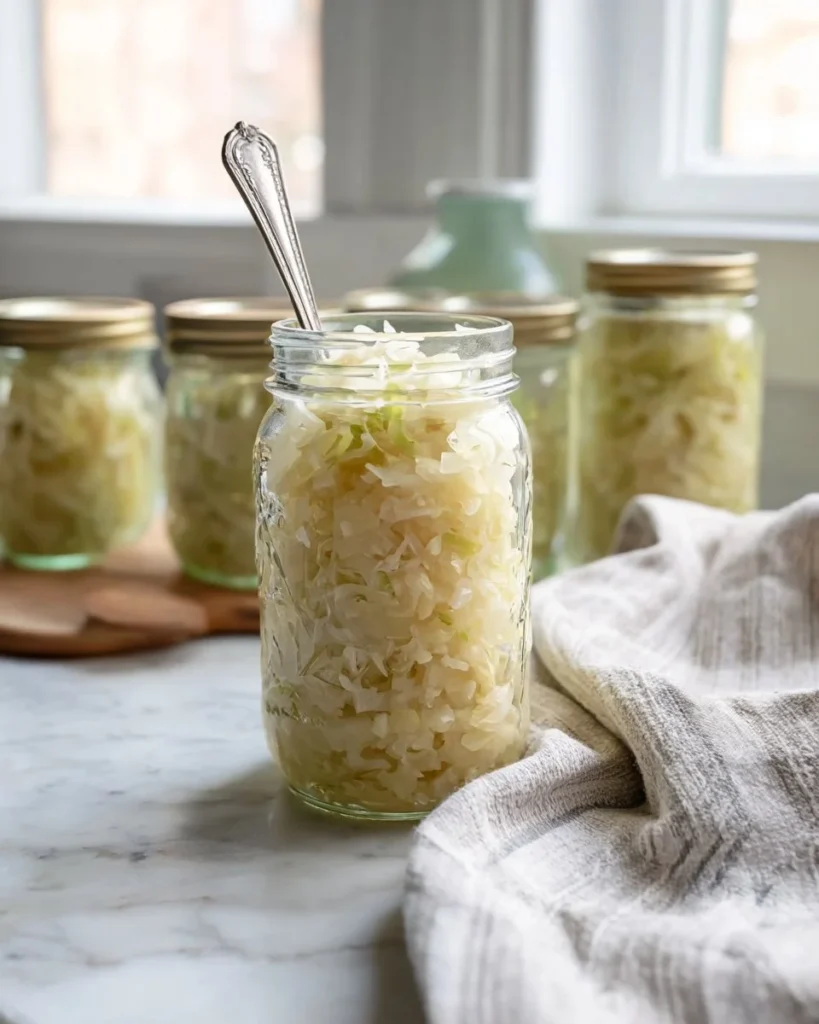
Homemade Sauerkraut
Ingredients
Method
- Remove any outer leaves from the cabbage.
- Slice the cabbage into quarters, remove the core, and thinly shred it.
- Transfer the shredded cabbage into a large mixing bowl.
- Sprinkle the salt over the cabbage and massage it into the cabbage for about 5-10 minutes until juices are released.
- Pack the cabbage tightly into a glass jar, leaving about an inch of space at the top.
- Ensure the cabbage is submerged under its own juices; if not, make a brine with water and salt to cover the cabbage.
- Place a clean weight on top to keep the cabbage submerged.
- Cover the jar with a clean cloth or cheesecloth and secure it with a rubber band.
- Leave the jar at room temperature, away from direct sunlight, for about 1-2 weeks, checking every few days.
- Once fermented to your liking, seal the jar with a lid and transfer it to the refrigerator for storage.