Mongolian Beef and Spring Onions
INTRODUCTION
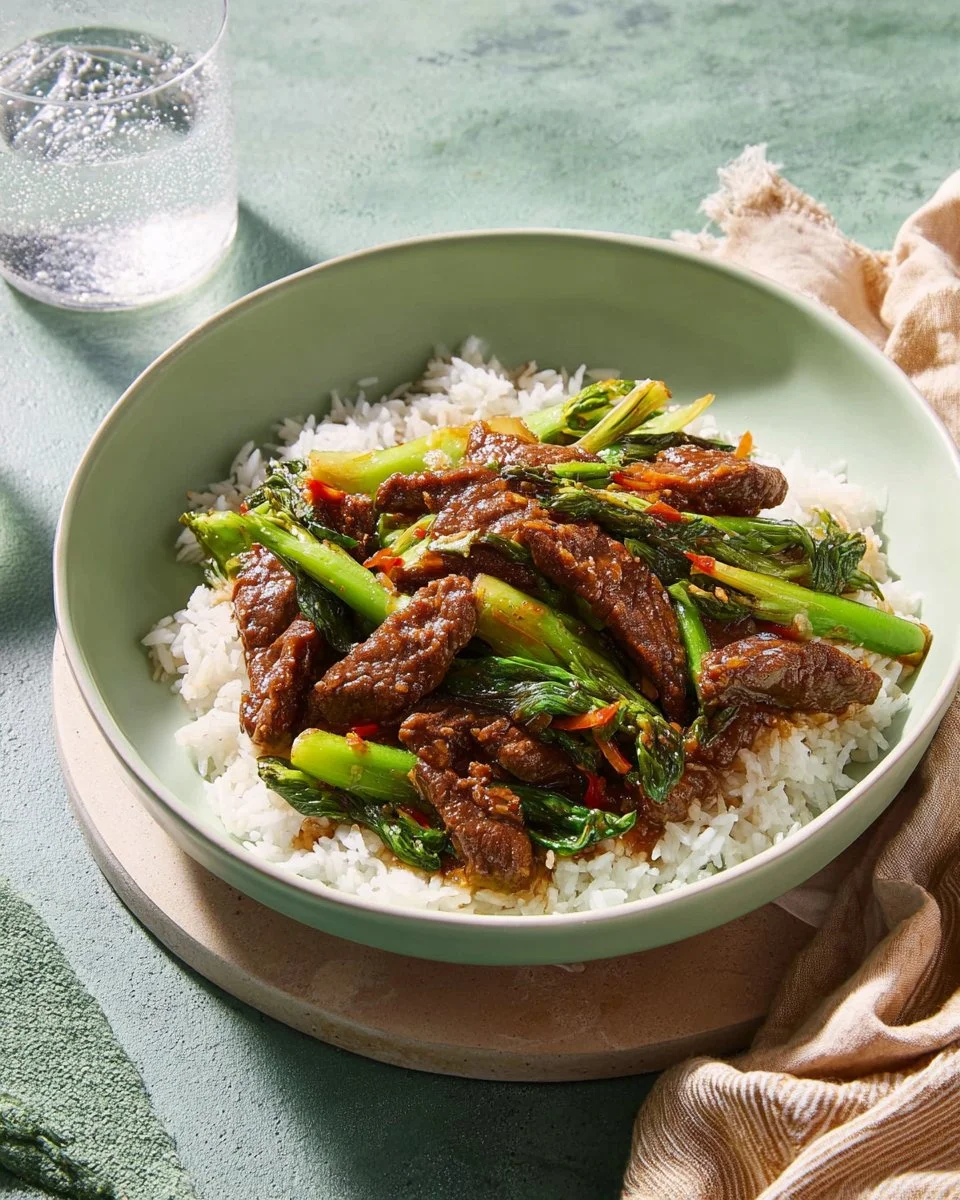
Mongolian Beef and Spring Onions is a tasty dish with rich sauce and crisp green onions. This recipe uses beef flank steak for a tender, high protein meal that cooks fast. It is easy to make at home and can be turned into a healthy version with a few simple swaps. A light drink like apple and ginger cooler makes a bright, low calorie pairing with this dish.
This article shows step-by-step directions, smart swaps, and tips for meal prep. You will learn how to keep this dish balanced and good for weight loss goals or a diabetic-friendly plan by cutting sugar and serving with more veggies.
WHY YOU WILL LOVE THIS RECIPE
You will love this Mongolian Beef and Spring Onions because it is fast, full of flavor, and easy to adapt. It makes a lighter option when you make a few changes. The beef gives you a high protein meal that helps keep you full. With added vegetables, you get more fiber and a more balanced plate. This recipe is also great for meal prep and can be portioned for the week.
If you want a warm, spicy drink with anti-inflammatory benefits, serve it with hibiscus tea with ginger and turmeric. That pairing is refreshing and fits well with a heart healthy plan.
HOW TO MAKE Mongolian Beef and Spring Onions
EQUIPMENT NEEDED
- Large cutting board
- Sharp knife
- Large bowl for coating beef
- Deep skillet or wok for frying
- Saucepan for making sauce
- Slotted spoon or spider strainer
- Paper towels for draining
- Tongs or spatula for tossing sauce and beef
Ingredients You’ll Need :
2 teaspoons vegetable oil, 1 tablespoon finely chopped garlic, 0.5 teaspoon grated fresh ginger root, 0.66666668653488 cup dark brown sugar, 0.5 cup soy sauce, 0.5 cup water, 1 pound beef flank steak, sliced 1/4 inch thick on the diagonal, 0.25 cup cornstarch, 1 cup vegetable oil for frying, 2 bunches green onions, cut in 2-inch lengths
STEP-BY-STEP INSTRUCTIONS :
"-Gather all ingredients.nn-Heat 2 teaspoons of vegetable oil in a saucepan over medium heat. Add garlic and ginger; cook and stir until fragrant, about 30 seconds.nn-Stir in brown sugar, soy sauce, and water.nn-Increase heat to medium-high; stir until sauce boils and slightly thickens, about 4 minutes. Remove sauce from the heat and set aside.nn-Place beef into a large bowl; add cornstarch and mix until beef is thoroughly coated.nn-Set aside until most of the cornstarch has been absorbed, about 10 minutes.nn-Heat vegetable oil in a deep skillet to 375 degrees F (190 degrees C). Shake excess cornstarch from beef slices and drop into hot oil, a few at a time, stirring briefly and frying until edges become crisp, about 2 minutes.nn-Remove beef with a large slotted spoon; drain on paper towels.nn-Remove excess oil from the skillet, then heat the skillet over medium heat; add beef slices and stir in prepared sauce. Add green onions and bring to a boil; cook until the onions have just softened and are bright green, about 1 to 2 minutes.nn-Serve and enjoy!n"

HOW TO SERVE Mongolian Beef and Spring Onions
Serve this dish with steamed brown rice or cauliflower rice for a lower carb option. For a balanced plate, add a large side of steamed broccoli, bok choy, or snap peas to boost fiber and vitamins. Keep portions of rice to 1/2 to 3/4 cup per person if you watch calories. This helps make the meal a good choice for weight loss when combined with lean protein and veggies.
A simple serving idea:
- 3 to 4 ounces cooked beef per person (about a palm-sized portion) for a high protein meal
- 1/2 cup cooked brown rice or 1 cup cauliflower rice for lower calories and carbs
- 1 to 2 cups steamed vegetables for fiber and color
You can also pair the meal with a cool drink like apple and ginger cooler for a refreshing, low calorie drink option.
STORAGE & FREEZING : Mongolian Beef and Spring Onions
Storage:
- Place leftover beef and sauce in an airtight container.
- Keep in the fridge for 3 to 4 days.
- Store rice and vegetables separately to keep texture.
Freezing:
- You can freeze cooked beef and sauce for up to 2 months.
- Cool completely before sealing in a freezer-safe container or bag.
- Thaw overnight in the fridge before reheating.
Reheating:
- Reheat gently in a skillet over medium heat until hot.
- Add a splash of water if sauce is thick.
- Avoid overcooking to keep beef tender.
These tips help make this dish great for meal prep and quick weeknight dinners.
SERVING SUGGESTIONS
- For a heart healthy plate, add a large salad with mixed greens, cucumber, and a light vinaigrette.
- For more fiber, serve with quinoa or farro instead of white rice.
- For a lower sugar or diabetic-friendly option, reduce brown sugar or use a sugar substitute in the sauce.
- Top with extra green onions and a sprinkle of sesame seeds for more flavor.
Healthy side option example:
- Steamed bok choy with a squeeze of lemon and a pinch of sea salt. This adds volume and fiber with very few calories.
VARIATIONS
-
Healthier version: Use lean beef or thinly sliced sirloin and cut the brown sugar in half. Replace half the sugar with a sugar-free sweetener or use low-sodium soy sauce. Stir fry the beef in a non-stick pan with 1 tablespoon oil instead of deep frying. This creates a lighter option that still tastes rich.
-
High-protein / low-carb version: Serve the beef over cauliflower rice or shredded cabbage. Increase the beef portion slightly and add more green onions and sliced mushrooms to bulk up the plate. This gives a high protein meal with fewer carbs and more fiber.
-
Air fryer or oven-baked version: Coat the beef with cornstarch as in the recipe, then place slices in a single layer in an air fryer basket at 400°F for 6–8 minutes, flipping halfway, until edges are crisp. For oven baking, preheat to 425°F and bake on a wire rack over a baking sheet for 8–12 minutes. Toss with the sauce and add green onions. These methods cut oil and make a lighter dish that still has crisp edges.
-
Diabetic-friendly swap: Use erythritol, stevia blend, or monk fruit sweetener instead of brown sugar. Use tamari or low-sodium soy sauce and serve over a small portion of whole grains and lots of vegetables.
MAKE-AHEAD TIPS FOR Mongolian Beef and Spring Onions
-
Marinate and coat the beef in cornstarch one day ahead, then cover and refrigerate. Shake off excess cornstarch just before frying or air frying. This saves prep time and helps the cornstarch absorb for better texture.
-
Make the sauce up to 2 days ahead and store in the fridge. Reheat gently and pour over cooked beef when ready to eat.
-
Cook the rice or cauliflower rice in advance and portion into containers. Label and store in the fridge for up to 4 days for easy meal prep.
-
Chop green onions and store in a sealed container for 2 to 3 days. Add fresh when reheating to keep color and crunch.
These steps make this dish great for meal prep and quick lunches or dinners.
FAQs
Q: Is this dish high in protein?
A: Yes. The beef in this recipe makes it a high protein meal. You can increase the protein by serving a larger beef portion.
Q: Can I make this dish diabetic-friendly?
A: Yes. Use a sugar substitute or cut the brown sugar by half, use low-sodium soy sauce, and serve with vegetables and a smaller portion of whole grains to keep it diabetic-friendly.
Q: How long will leftovers last in the fridge?
A: Leftovers will last 3 to 4 days in an airtight container. Store rice separately to keep texture.
Q: Can I freeze Mongolian Beef and Spring Onions?
A: Yes. Freeze cooked beef and sauce for up to 2 months. Thaw overnight in the fridge and reheat gently.
Q: Is there a lower calorie way to cook the beef?
A: Yes. Use an air fryer or oven bake instead of deep frying and reduce sugar in the sauce for a lower calorie, lighter option.
Q: Is this meal good for weight loss?
A: It can be. Use lean beef, less sugar, more vegetables, and control rice portions. Those changes help make the dish good for weight loss.
Q: Can this be made gluten free?
A: Yes. Use tamari or a gluten free soy sauce and check all labels. Cornstarch is naturally gluten free, but confirm no cross-contamination.
Q: How to keep the beef tender?
A: Slice thin across the grain and do not overcook. Fry or air fry briefly for a crisp edge and toss with sauce quickly.
(End of FAQs)
CRITICAL NUTRITION TIPS
- If you want a lower sugar sauce, start with half the brown sugar and add more only if you need sweetness.
- Use low-sodium soy sauce to cut sodium and protect heart health.
- Add more vegetables to increase fiber and make your meal more filling with fewer calories.
This Mongolian Beef and Spring Onions recipe is easy to adjust. It can be a lighter option or a rich treat. With simple swaps you can turn it into a healthier version, a diabetic-friendly plate, or a high protein meal that is great for meal prep.
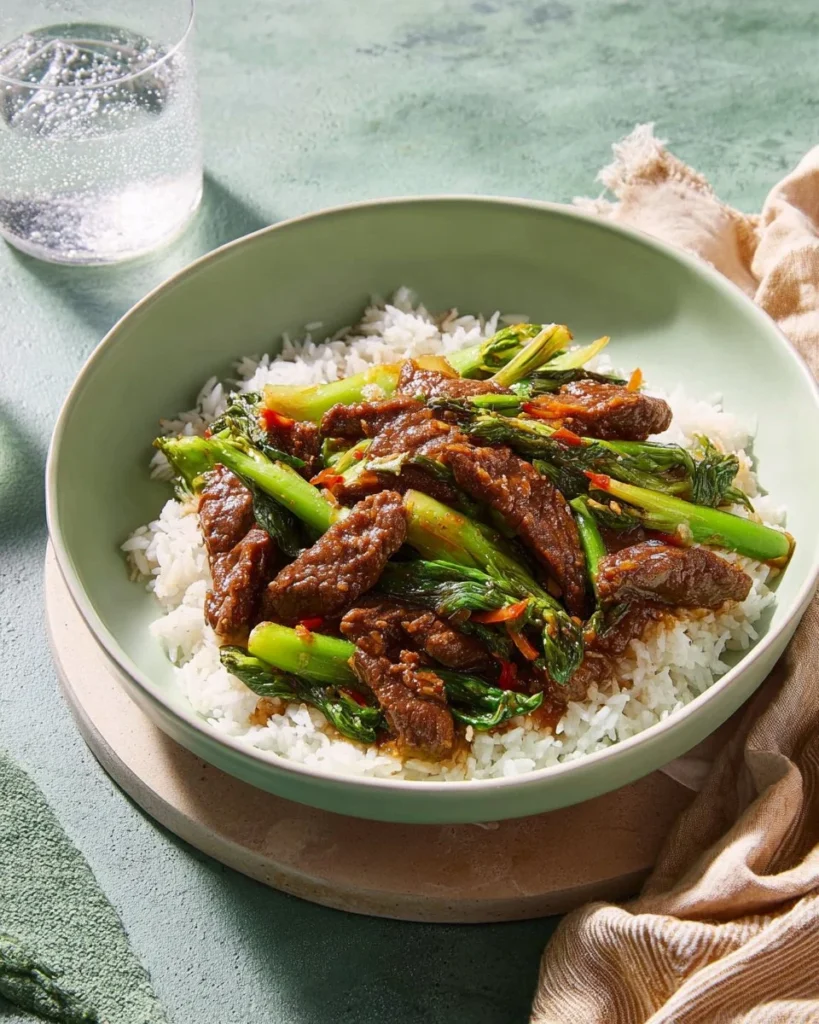
Mongolian Beef and Spring Onions
Ingredients
Method
- Gather all ingredients.
- Heat 2 teaspoons of vegetable oil in a saucepan over medium heat. Add garlic and ginger; cook and stir until fragrant, about 30 seconds.
- Stir in brown sugar, soy sauce, and water.
- Increase heat to medium-high; stir until sauce boils and slightly thickens, about 4 minutes. Remove sauce from the heat and set aside.
- Place beef into a large bowl; add cornstarch and mix until beef is thoroughly coated.
- Set aside until most of the cornstarch has been absorbed, about 10 minutes.
- Heat vegetable oil in a deep skillet to 375 degrees F (190 degrees C). Shake excess cornstarch from beef slices and drop into hot oil, a few at a time, stirring briefly and frying until edges become crisp, about 2 minutes.
- Remove beef with a large slotted spoon; drain on paper towels.
- Remove excess oil from the skillet, then heat the skillet over medium heat; add beef slices and stir in prepared sauce. Add green onions and bring to a boil; cook until the onions have just softened and are bright green, about 1 to 2 minutes.
- Serve and enjoy!